When exploring industrial thermal processing equipment, a common question arises: “What is an industrial tunnel oven?” Simply put, an industrial
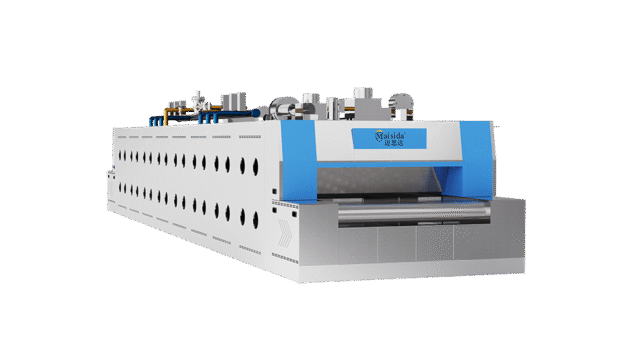
tunnel oven is a continuous, conveyor-driven thermal processing device designed to heat, bake, dry, cure, or sterilize bulk materials or finished products as they move through a enclosed, tunnel-like chamber. Unlike batch ovens that process materials in discrete loads, industrial tunnel ovens enable non-stop production, making them ideal for large-scale manufacturing lines where efficiency, consistency, and uniform heating are critical. This guide delves into the core details of industrial tunnel ovens, answering “what is an industrial tunnel oven” comprehensively by covering its components, working principle, types, applications, and key advantages.
Core Components of an Industrial Tunnel Oven
To fully understand “what is an industrial tunnel oven,” it’s essential to recognize its key structural components, which work together to deliver consistent thermal processing:
-
Tunnel Chamber: The enclosed, insulated main body of the oven, typically made of stainless steel or high-temperature-resistant steel. It maintains a stable internal temperature and prevents heat loss, ensuring uniform processing conditions.
-
Conveyor System: The heart of the continuous operation, consisting of belts (metal mesh, Teflon, or rubber), chains, or rollers. It transports materials through the tunnel at a adjustable speed, controlling the “dwell time” (processing duration) of products in the heating zone.
-
Heating System: Responsible for generating and distributing heat within the chamber. Common heating sources include electricity, natural gas, propane, or infrared radiation. The system may include heaters, burners, and heat exchangers to regulate heat output.
-
Temperature Control System: Equipped with thermostats, thermocouples, and digital controllers, this component monitors and adjusts the internal temperature of the tunnel. Precise temperature control (ranging from 50°C to 500°C, depending on the model) ensures consistent product quality.
-
Air Circulation System: Comprises fans and air ducts that promote uniform heat distribution throughout the tunnel. This eliminates hotspots and ensures every product receives the same thermal treatment, a key advantage of industrial tunnel ovens.
-
Inlet & Outlet Zones: The entry and exit points of the tunnel, often equipped with curtains or air locks to minimize heat loss and prevent contamination (critical for food and pharmaceutical applications).
Working Principle: How Does an Industrial Tunnel Oven Operate?
Understanding the working principle further clarifies “what is an industrial tunnel oven” and its role in continuous production. The operation follows a straightforward, cyclic process:
-
Preheating: Before production starts, the industrial
tunnel oven is preheated to the target temperature using the heating system. The temperature control and air circulation systems work together to stabilize the internal environment.
-
Material Feeding: Products or materials are placed on the conveyor belt at the inlet zone. The conveyor moves at a preset speed, which is calibrated based on the required dwell time (e.g., 5 minutes for baking cookies, 30 minutes for curing industrial coatings).
-
Continuous Thermal Processing: As the conveyor carries materials through the tunnel chamber, they are exposed to uniform heat. The air circulation system ensures heat penetrates evenly, whether the process is baking, drying, curing, or sterilizing.
-
Cooling (Optional): Some industrial tunnel ovens include a cooling zone after the heating chamber. This rapidly reduces the temperature of processed products, preventing deformation and enabling immediate downstream handling.
-
Product Discharge: Once the materials complete the thermal processing cycle, they exit the oven through the outlet zone, ready for the next stage of production (e.g., packaging, assembly, or quality inspection).
Main Types of Industrial Tunnel Ovens
Industrial tunnel ovens are classified based on heating method, conveyor type, and application, each tailored to specific industry needs. Common types include:
-
Electric Industrial Tunnel Oven: Uses electric heating elements (e.g., resistance heaters) for precise temperature control. Ideal for small to medium-scale production and applications requiring clean, pollution-free processing (e.g., pharmaceuticals, electronics).
-
Gas-Fired Industrial Tunnel Oven: Powered by natural gas or propane, offering high heating efficiency and lower operational costs. Suitable for large-scale production lines (e.g., food processing, building materials) where high heat output is required.
-
Infrared Industrial Tunnel Oven: Employs infrared radiation to heat materials directly, reducing processing time and energy consumption. Perfect for thin materials or surface curing (e.g., coating curing, plastic welding).
-
Mesh Belt Industrial Tunnel Oven: Features a metal mesh conveyor belt, allowing heat to circulate around the product. Widely used in food baking (e.g., bread, snacks) and drying of granular materials.
-
Teflon Belt Industrial Tunnel Oven: Uses a non-stick Teflon conveyor belt, suitable for heat-sensitive products (e.g., pastries, adhesives) that might stick to metal belts.
Key Applications of Industrial Tunnel Ovens
The continuous, uniform processing capability of industrial tunnel ovens makes them indispensable across multiple industries. Answering “what is an industrial tunnel oven” also involves understanding its practical uses:
-
Food Processing Industry: Baking (bread, cookies, snacks), drying (fruits, vegetables, herbs), roasting (nuts, coffee beans), and sterilizing (ready-to-eat meals, pet food). Industrial tunnel ovens ensure consistent texture, flavor, and shelf life for mass-produced food products.
-
Pharmaceutical Industry: Drying pharmaceutical powders, sterilizing medical devices (e.g., syringes, surgical instruments), and curing drug coatings. Strict temperature control meets GMP (Good Manufacturing Practices) standards.
-
Manufacturing & Industrial Coating: Curing powder coatings on metal components (e.g., automotive parts, furniture hardware), drying plastic products, and bonding composite materials. Ensures durable, high-quality finishes.
-
Building Materials Industry: Drying and curing ceramic tiles, bricks, and concrete products. Industrial tunnel ovens accelerate the production process and improve product strength.
-
Electronics Industry: Drying circuit boards, curing solders, and processing electronic components. Precise temperature control prevents damage to sensitive electronics.
Core Advantages of Industrial Tunnel Ovens
The design and working principle of industrial
tunnel ovens offer distinct advantages over batch ovens, explaining their widespread adoption:
-
Continuous High-Efficiency Production: Non-stop processing eliminates downtime between batches, significantly increasing throughput for large-scale manufacturing.
-
Uniform Heating & Consistent Quality: Advanced air circulation and temperature control systems ensure every product receives the same thermal treatment, reducing product defects.
-
Flexible & Customizable: Adjustable conveyor speed, temperature ranges, and chamber sizes adapt to diverse materials and processing requirements.
-
Energy Efficiency: Insulated chambers and efficient heating systems minimize heat loss, reducing energy consumption compared to batch ovens.
-
Automation Compatibility: Easily integrates with automated production lines, reducing manual labor and improving process control.
Conclusion: Answering “What Is an Industrial Tunnel Oven” Fully
To recap, “what is an industrial tunnel oven?” It is a continuous, conveyor-driven thermal processing device that delivers uniform heating, baking, drying, or curing for bulk materials in large-scale manufacturing. Its core components (tunnel chamber, conveyor, heating system) work together to enable non-stop production, while its adaptability makes it suitable for industries ranging from food and pharmaceuticals to manufacturing and electronics.
Whether you’re producing thousands of snack packs daily or curing automotive components, an industrial tunnel oven’s efficiency, consistency, and flexibility make it a cornerstone of modern industrial production. By understanding its definition, components, and applications, you can determine if it’s the right thermal processing solution for your business needs.