The
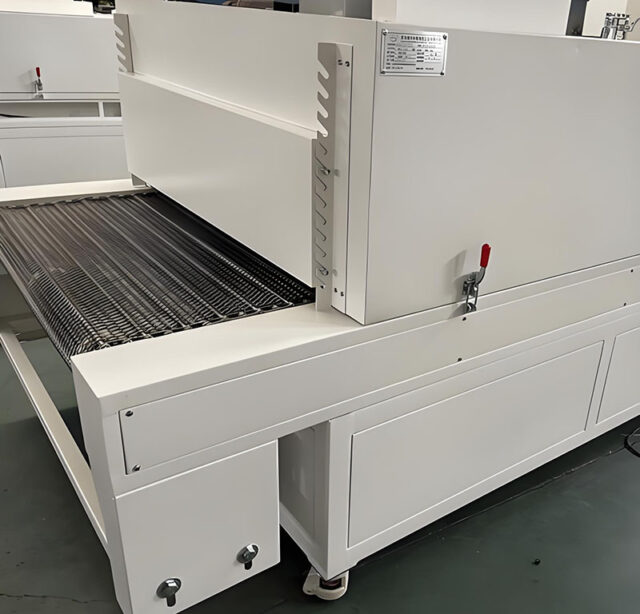
tunnel oven for bread is a cornerstone of modern commercial bakeries, pastry shops, and food production facilities specializing in bread manufacturing. Unlike traditional batch ovens, this equipment offers continuous, automated baking, enabling bakeries to meet high-volume production demands while maintaining consistent quality across every loaf.
Core Benefits of Tunnel Oven for Bread
The tunnel oven for bread has become a staple in commercial baking due to its unique advantages. These benefits are specifically tailored to meet the rigorous demands of high-volume, consistent bread production:
-
Continuous Production & High Efficiency: The defining feature of a tunnel oven for bread is its conveyor belt system, which moves dough through a heated tunnel for continuous baking. This eliminates the need for manual loading and unloading of batches, significantly increasing production output.
-
Uniform Heat Distribution & Consistent Quality: Tunnel ovens for bread are designed with advanced heating systems that deliver uniform heat across the entire baking chamber—top, bottom, and sides. This eliminates hot spots that cause uneven baking, ensuring every loaf has a consistent crust color, texture, and internal crumb structure.
-
Customizable Baking Profiles: High-quality tunnel ovens for bread offer multi-zone heating, allowing bakers to customize temperature, humidity, and baking time for different bread types.
-
Automation & Labor Savings: Most tunnel ovens for bread come with fully automated controls, including digital temperature displays, programmable baking profiles, and conveyor speed adjustments. This reduces the need for skilled labor, as staff only need to monitor the system rather than manually manage each batch.
-
Energy Efficiency & Cost Savings: Modern tunnel ovens for bread are engineered with energy-saving features, such as high-quality insulation (ceramic fiber, rock wool) that reduces heat loss, and efficient heating elements (electric, gas, or hybrid) that minimize energy consumption.
-
Durable Construction & Longevity: Tunnel ovens for bread are built with robust materials to withstand the daily rigors of commercial baking. The baking chamber is typically lined with heat-resistant refractory bricks or stainless steel, while the conveyor belt is made of durable materials like stainless steel mesh or teflon-coated fabric.
Types of Tunnel Oven for Bread by Energy Source
Tunnel ovens for bread are categorized by their energy source. Each type has unique advantages, making them suited to different bakery sizes, infrastructure, and baking needs. Understanding these differences helps you select the best option for your operation:
-
Electric Tunnel Oven for Bread: This type is popular for its easy installation (no gas lines required) and precise temperature control. It is ideal for small to mid-sized bakeries, urban facilities, and in-store bakeries where gas lines are unavailable or prohibited.
-
Gas Tunnel Oven for Bread: Gas models are favored for their fast heating speed, high heat output, and lower energy costs (in areas with affordable gas prices). They can reach optimal baking temperatures (350°F-500°F) quickly, reducing preheating time and increasing production efficiency.
-
Hybrid Tunnel Oven for Bread: A versatile option that combines electric and gas heating, hybrid tunnel ovens for bread offer the best of both worlds. They use gas for fast heating and high heat output, and electric for precise temperature control in specific baking zones.
-
Wood-Fired Tunnel Oven for Bread: A premium option for artisanal bakeries, wood-fired tunnel ovens for bread infuse bread with a unique, smoky flavor that is highly sought after by consumers. The continuous conveyor system ensures even exposure to wood-fired heat, creating a crispy, charred crust authentic to traditional artisanal bread.
Key Factors to Consider When Selecting Tunnel Oven for Bread
To choose the right tunnel oven for bread for your bakery, consider the following critical factors. These will ensure the oven aligns with your production needs, kitchen space, and budget:
-
Production Volume & Capacity: Assess your daily bread output to determine the appropriate tunnel oven capacity. For small bakeries (500-1000 loaves per day), a compact tunnel oven with a narrow conveyor belt (12-18 inches wide) is sufficient.
-
Energy Source Availability: Evaluate your bakery’s energy infrastructure. If gas lines are not available or are expensive to install, an electric tunnel oven for bread is the better choice. For large bakeries with access to natural gas, a gas model will offer lower operational costs. Artisanal bakeries should consider wood-fired or hybrid models to enhance flavor.
-
Space & Installation Requirements: Measure your available bakery space to select a tunnel oven for bread that fits comfortably. Tunnel ovens vary in length (10-50 feet) depending on production capacity—longer ovens allow for longer baking times, which is ideal for dense bread like sourdough.
-
Baking Zone Configuration: Look for a tunnel oven for bread with multiple heating zones (3-6 zones is common) to customize baking profiles for different bread types. Each zone should have independent temperature and humidity control, allowing you to adjust conditions for crust formation, expansion, and final baking.
-
Conveyor Belt Type & Material: The conveyor belt is a critical component of a tunnel oven for bread. Choose a belt material that is durable, heat-resistant, and easy to clean. Stainless steel mesh belts are ideal for most bread types, as they allow even heat circulation and are easy to maintain.
-
Brand & After-Sales Service: Choose a reputable brand for your tunnel oven for bread, as quality and reliability are critical for high-volume baking operations where equipment failure can disrupt production.
Maintenance Tips for Tunnel Oven for Bread
Proper maintenance is essential to extend the life of your tunnel oven for bread. It also ensures consistent baking performance and compliance with food safety regulations. Follow these tips:
-
Regular Daily Cleaning: Clean the tunnel oven for bread daily after use, once it has cooled down. Remove crumbs and food debris from the baking chamber, conveyor belt, and steam injection nozzles using a soft brush or scraper.
-
Inspect Seals & Insulation: Regularly check the oven door seals and chamber insulation for wear or damage. Damaged seals or insulation can cause heat loss, reducing energy efficiency and leading to uneven baking.
-
Lubricate Moving Parts: Lubricate the conveyor belt rollers, chains, and other moving parts regularly (as per the manufacturer’s instructions) to ensure smooth operation and prevent wear. Use food-safe lubricants to avoid contamination of bread products.
-
Check Heating Elements & Burners: Inspect heating elements (electric models) or burners (gas models) regularly for signs of damage, corrosion, or blockages. Clean burners to remove grease or debris that can affect heat distribution. Replace damaged heating elements or burners promptly to maintain uniform baking.
-
Deep Cleaning & Professional Servicing: Perform a deep cleaning of the
tunnel oven for bread monthly or quarterly (depending on usage) to remove stubborn grease and carbon buildup. Use specialized cleaners designed for oven surfaces and follow the manufacturer’s instructions.
The tunnel oven for bread is an indispensable piece of equipment for commercial bakeries seeking to optimize high-volume production while maintaining consistent, high-quality bread products.