The commercial foodservice sector is experiencing a paradigm shift, with reciprocating electric griddles emerging as a cornerstone of modern kitchen efficiency. These innovative appliances, designed to deliver uniform cooking, reduce labor costs, and enhance output consistency, are driving significant sales growth across global markets. For buyers, understanding the interplay between sales trends, pricing strategies, and value optimization is essential to making informed investments. This article explores how businesses can leverage market insights to secure competitive pricing and maximize returns on reciprocating electric griddle purchases.
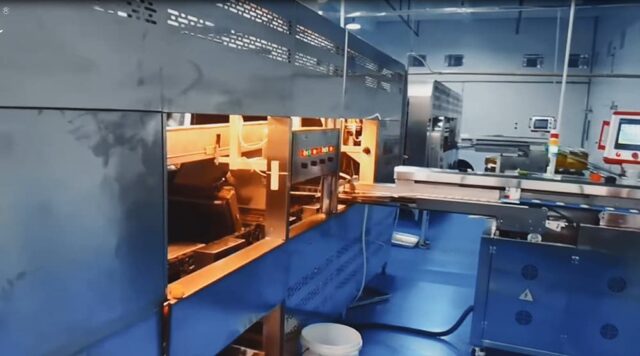
1. Global Sales Surge: Key Drivers and Regional Hotspots
The demand for reciprocating electric griddles has accelerated, fueled by:
- High-Volume Efficiency: Restaurants, hotels, and catering services prioritize these griddles for their ability to handle peak-hour orders without compromising food quality.
- Technological Advancements: Smart features like IoT integration, automated temperature control, and predictive maintenance are attracting tech-driven buyers.
- Sustainability Imperatives: Electric models align with global decarbonization goals, appealing to eco-conscious operators in regions like Europe and North America.
Top Markets Driving Sales:
- North America: A mature foodservice industry and preference for energy-efficient equipment sustain leadership in sales volume.
- Europe: Stringent emissions regulations and culinary innovation boost adoption in countries like Germany, France, and the UK.
- Asia-Pacific: Rapid urbanization and rising disposable incomes in China, India, and Southeast Asia spur restaurant expansions, creating new demand.
Sales Channels:
- Direct Manufacturers: Brands like Mysida and Vulcan offer customized solutions and bulk discounts for large-scale buyers.
- Online Marketplaces: Platforms such as Amazon Business and WebstaurantStore provide competitive pricing and user reviews for SMEs.
- Distributors: Local suppliers often bundle griddles with installation services, warranties, and financing options.
2. Pricing Strategies: Balancing Quality, Features, and Budget
While specific prices vary, understanding the value drivers behind reciprocating electric griddles enables buyers to negotiate effectively:
A. Performance Tiers
- Entry-Level Models: Basic reciprocating motion and manual controls cater to small cafés or food trucks, offering affordability without sacrificing core functionality.
- Mid-Range Griddles: Balanced features like digital displays, programmable settings, and durable build quality appeal to mid-sized restaurants seeking scalability.
- Premium Units: Advanced models with AI-driven analytics, self-cleaning systems, and energy-efficient certifications target high-end hotels and industrial kitchens.
B. Customization and Add-Ons
Manufacturers often offer modular upgrades, such as extended warranties, specialized cooking plates, or integrated grease management, allowing buyers to tailor costs to their needs.
C. Brand Differentiation
Established brands leverage their reputation for reliability and after-sales support to justify premium pricing. However, emerging manufacturers compete by offering comparable quality at lower margins, appealing to cost-sensitive buyers.
D. Volume Discounts
Bulk purchases for chain restaurants or franchises unlock significant savings, with suppliers offering tiered pricing based on order quantity.
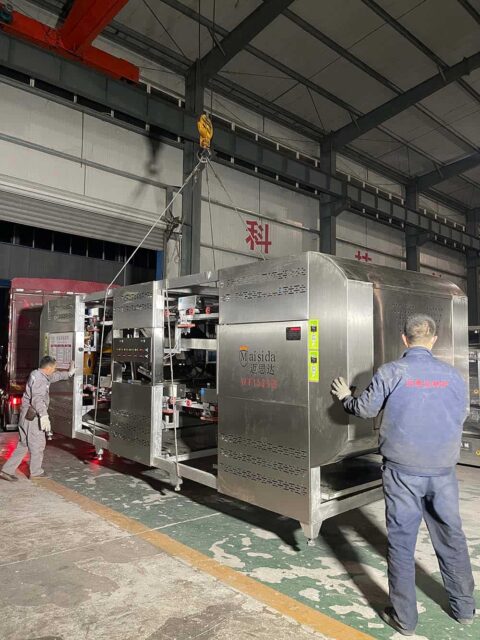
3. Strategies to Optimize Purchasing Decisions
A. Conduct Thorough Market Research
- Compare offerings from multiple suppliers using online tools and industry reports.
- Prioritize brands with a proven track record in your region or cuisine type.
B. Leverage Seasonal Promotions
- Time purchases around industry trade shows (e.g., NAFEM Show) or holidays when suppliers offer limited-time discounts.
- Subscribe to manufacturer newsletters for early access to sales.
C. Explore Financing and Leasing
- Leasing programs reduce upfront costs and include maintenance packages, ideal for startups or seasonal businesses.
- Negotiate installment plans with distributors to align payments with revenue cycles.
D. Consider Refurbished or Demo Models
- Lightly used griddles from trade-ins or showroom displays offer substantial savings (often 30–50% off) with full warranties.
E. Focus on Total Cost of Ownership (TCO)
- Evaluate long-term savings from energy efficiency, reduced labor, and lower maintenance costs rather than initial price alone.
4. Future Outlook: Trends Shaping Pricing and Sales
- Material Costs: Fluctuations in steel and copper prices may influence manufacturing expenses, prompting suppliers to adjust pricing.
- Tech Integration: As AI and IoT become standard, premium models may see temporary price hikes before economies of scale stabilize costs.
- Regulatory Pressures: Stricter energy efficiency mandates could raise production costs but drive long-term savings for buyers.
Conclusion: Driving Value in a Competitive Market
For foodservice businesses, investing in a reciprocating electric griddle is not just about purchasing equipment—it’s about securing a competitive edge. By analyzing sales trends, aligning pricing strategies with operational needs, and exploring cost-saving avenues, buyers can achieve a balance between quality and affordability.