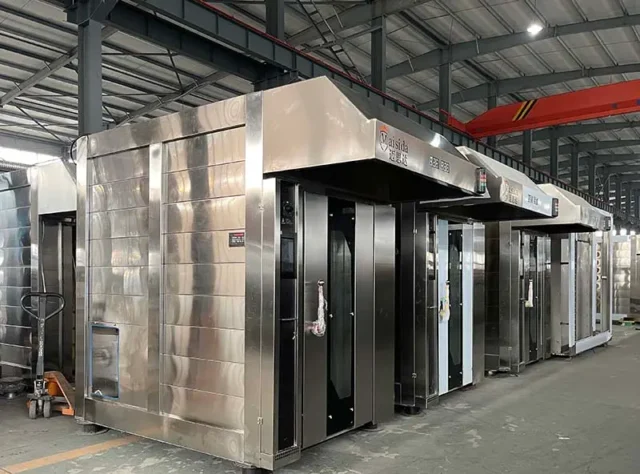
A rotary oven is a versatile thermal processing equipment designed with a rotating drum (or chamber) to ensure uniform heat distribution. Its unique design allows for consistent processing of bulk materials, making it a cornerstone in industrial and commercial settings worldwide. Unlike static ovens, the rotary oven’s rotating mechanism eliminates uneven heating, ensuring every batch of material receives equal exposure to heat. Understanding “rotary oven uses” is crucial for businesses seeking efficient, scalable thermal processing solutions—whether for drying, baking, curing, or sterilization. This guide explores the key applications of rotary ovens across industries, highlighting their practical value and operational benefits.
Core Rotary Oven Uses Across Industries
Rotary ovens are celebrated for their adaptability, serving diverse sectors with tailored thermal processing needs. Below are the most common and impactful rotary oven uses:
1. Food Processing Industry
The food industry is one of the primary beneficiaries of rotary oven uses, thanks to its ability to handle large batches while maintaining product quality:
- Baking & Roasting: Ideal for baking bread, cookies, pastries, and roasting nuts, seeds, or coffee beans. The rotating drum ensures even browning and consistent texture, critical for mass-produced food items.
- Drying: Used to dry fruits (e.g., raisins, dried mangoes), vegetables (e.g., dehydrated onions, carrots), and herbs. The gentle, uniform heat preserves nutrients and extends shelf life.
- Sterilization: Applied to process ready-to-eat meals, pet food, and snack foods, eliminating harmful bacteria while retaining flavor and moisture.
- Toasting & Curing: Used for toasting cereal grains, curing meats (e.g., bacon, sausages), and processing snack bars—ensuring thorough cooking and flavor development.
2. Chemical & Material Industry
In chemical processing, rotary oven uses focus on stable, controlled thermal treatment of raw materials and intermediates:
- Drying Chemical Powders: Dries bulk chemical powders (e.g., fertilizers, pigments, detergents) to reduce moisture content, preventing clumping and ensuring product stability.
- Curing Resins & Polymers: Cures epoxy resins, plastics, and composite materials, enhancing their mechanical strength and durability for industrial applications.
- Heat Treatment: Processes minerals, catalysts, and chemical intermediates through thermal activation or purification, improving their reactivity or purity.
3. Pharmaceutical & Healthcare Industry
Rotary ovens play a critical role in pharmaceutical manufacturing, where precision and compliance are non-negotiable:
- Sterilization of Medical Supplies: Sterilizes surgical instruments, medical devices, and packaging materials (e.g., glass vials, plastic containers) at controlled temperatures, meeting healthcare safety standards.
- Drying Pharmaceutical Powders: Dries active pharmaceutical ingredients (APIs), excipients, and herbal extracts to remove moisture, ensuring dosage accuracy and product stability.
- Granulation Drying: Used in tablet production to dry wet granules, preventing caking and ensuring uniform tablet formation.
4. Agriculture & Agribusiness
Rotary oven uses in agriculture support post-harvest processing and feed production:
- Grain Drying: Dries grains (wheat, rice, corn) and oilseeds to reduce moisture, preventing mold growth during storage and transportation.
- Feed Processing: Dries and cures animal feed pellets (poultry, livestock, aquafeed), improving digestibility and extending shelf life.
- Crop Byproduct Processing: Processes agricultural byproducts (e.g., straw, husks) into dried materials for biofuel production or animal bedding.
5. Manufacturing & Engineering
In manufacturing, rotary oven uses focus on material preparation and finishing:
- Coating Curing: Cures powder coatings on metal components (e.g., automotive parts, furniture hardware), ensuring a smooth, durable finish.
- Rubber & Plastic Processing: Vulcanizes rubber products (e.g., tires, seals) and cures plastic components, enhancing their elasticity and resistance to wear.
- Foundry Applications: Dries sand molds and cores used in metal casting, removing moisture to prevent defects in finished castings.
Key Benefits That Enhance Rotary Oven Uses
The widespread adoption of rotary ovens stems from their operational advantages, which amplify their utility across industries:
- Uniform Heat Distribution: The rotating drum ensures every particle or product batch receives consistent heat, eliminating hotspots and improving product quality.
- High Capacity & Scalability: Rotary ovens handle large volumes of materials (from 50kg to 5000kg per batch), making them ideal for small-scale workshops and large industrial plants alike.
- Energy Efficiency: Advanced insulation and heat recovery systems reduce energy consumption, lowering operational costs compared to static ovens.
- Flexible Temperature Control: Adjustable temperature ranges (50°C to 500°C) accommodate diverse processes—from gentle drying to high-temperature curing.
- Easy Operation & Maintenance: Simple controls and modular design simplify operation, while removable components (e.g., drum liners) make cleaning and maintenance straightforward.
How to Maximize Rotary Oven Uses for Your Business
To leverage rotary oven uses effectively, consider these practical tips:
- Match Oven Type to Application: Choose a direct-fired rotary oven for high-temperature processes (e.g., roasting), and an indirect-fired model for heat-sensitive materials (e.g., pharmaceuticals).
- Optimize Batch Size: Avoid overloading or underloading the drum—optimal batch size ensures proper rotation and heat exposure.
- Adjust Rotation Speed: Fine-tune the drum speed based on material type: slower speeds for dense materials (e.g., metal parts), faster speeds for lightweight products (e.g., snacks).
- Monitor Temperature & Humidity: Use built-in sensors or external monitors to maintain precise temperature and humidity levels, critical for consistent results.
Conclusion
Rotary oven uses span a wide range of industries, from food processing and pharmaceuticals to manufacturing and agriculture, thanks to their uniform heating, high capacity, and flexibility. Whether drying bulk materials, baking food products, or curing industrial components, the rotary oven delivers efficient, reliable thermal processing that scales with business needs.