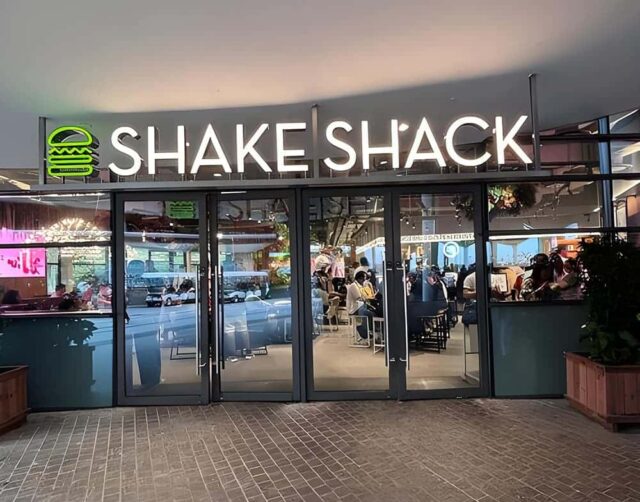
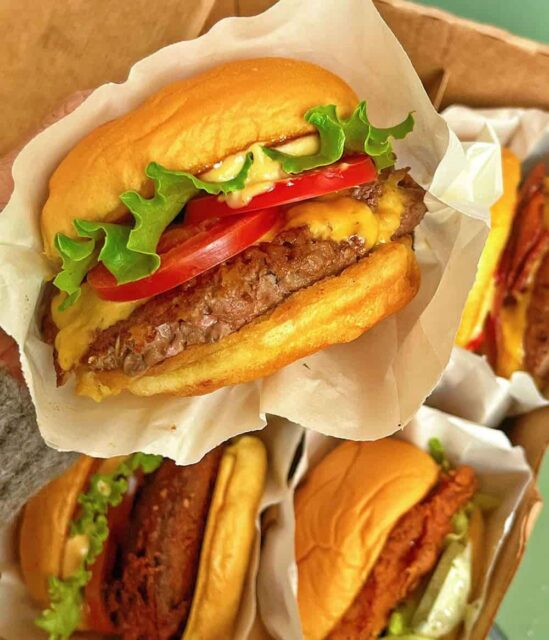
In the competitive U.S. fast-food industry, efficiency and consistency are critical to customer satisfaction and operational profitability—especially for regional burger chains similar to Shake Shack, where peak-hour demand can make or break the customer experience. This case study details how a national U.S. burger chain solved its peak-lunch production challenges using a reciprocating electric griddle, achieving faster output, better quality control, and lower labor costs.
1. Background: Pain Points of Peak-Hour Burger Production
The chain operates 45 regional locations across the U.S., with its downtown Chicago store serving as a high-traffic test site. During the lunch rush (11:30 AM–1:30 PM), the store faced three critical issues:
- High Output Demand: The store needed to serve 300+ burgers per hour to avoid long wait times (average customer patience for fast food is 5 minutes, per industry data).
- Inconsistent Patty Quality: Traditional single skillets required manual flipping, leading to a 15% inconsistency rate in patty doneness—either undercooked centers (a food safety risk) or burnt exteriors (a top customer complaint).
These challenges threatened customer retention (repeat visits dropped 8% in Q1 2025) and forced the chain to seek a tech-driven solution—ultimately selecting a reciprocating electric griddle to streamline production.
2. Solution: Dual-Zone Temperature-Controlled Reciprocating Electric Griddle
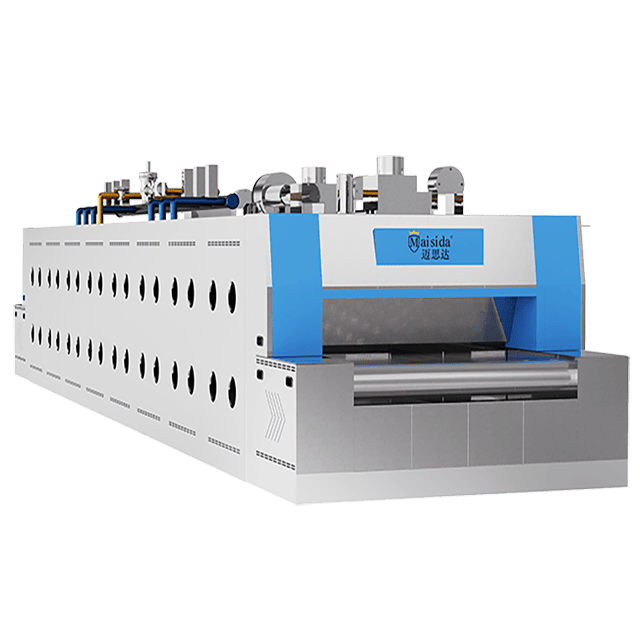
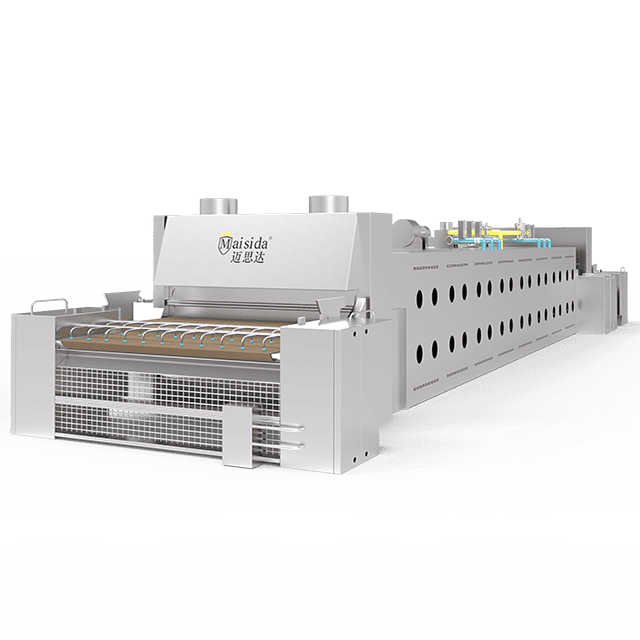
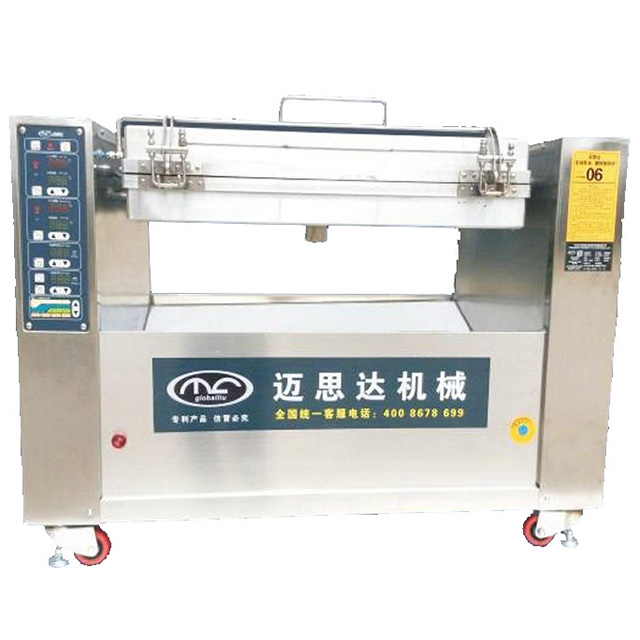
After evaluating commercial kitchen equipment, the chain partnered with Cuisinart Commercial to deploy its Dual-Zone Reciprocating Electric Griddle—a model designed for high-volume, standardized cooking. Key features of this reciprocating electric griddle included:
- Stainless Steel Non-Slip Surface: Prevented patties from shifting during reciprocation, reducing waste from fallen or misshapen patties.
- Adjustable Reciprocation Frequency: Could be set to 3 cycles per second—fast enough to ensure even heat distribution, but slow enough to avoid damaging delicate patty textures.
- Compliance with U.S. Standards: Certified by UL (Underwriters Laboratories) and NSF (National Sanitation Foundation), meeting U.S. food safety and commercial kitchen regulations.
This reciprocating electric griddle was integrated into the store’s existing assembly line, replacing 4 traditional skillets to save counter space and simplify workflow.
3. Operational Details: Optimizing Frying with Reciprocating Technology
The chain developed a standardized SOP (Standard Operating Procedure) for the reciprocating electric griddle to maximize efficiency during peak hours:
- Pre-Rush Preparation: The griddle was preheated 30 minutes before lunch (11:00 AM) to stabilize temperatures:
- Left zone (patty frying): Set to 175°C (347°F)—the ideal temperature to sear patties without burning, while ensuring internal doneness (160°F, the U.S. FDA’s safe minimum for ground beef).
- Right zone (cheese melting): Set to 160°C (320°F)—low enough to melt cheese evenly (avoiding oil separation) but high enough to keep it ready for immediate assembly.
- Staff loaded 8 frozen beef patties (130g each) onto the left zone of the reciprocating electric griddle. The griddle’s reciprocating motion automatically rotated patties slightly, ensuring all sides made uniform contact with the heated surface—no manual flipping required.
- After 2 minutes, staff gave each patty a single 180° rotation (a quick step to ensure edge-to-center evenness) using a spatula.
- Simultaneously, pre-sliced cheddar cheese slices were placed on the right zone—melting in 90 seconds, perfectly timed to pair with the 3-minute-20-second patty cooking cycle.
- Post-Cooking Integration: Once patties were done, they were transferred directly from the reciprocating electric griddle to a warming tray, while melted cheese was added immediately—cutting down on assembly time.
4. Results: Transforming Efficiency and Quality
Within 2 months of deploying the reciprocating electric griddle, the Chicago store saw measurable improvements across key metrics:
- Faster Output: Burger assembly time dropped from 90 seconds per order to 35 seconds—boosting hourly output from 220 burgers to 380, exceeding the 300+ target.
- Superior Quality Consistency: Patty doneness error was reduced to ±3°C (vs. ±10°C with traditional skillets), eliminating undercooked or burnt patties. Customer complaints about patty quality fell from 15% to under 2%.
The chain has since rolled out the reciprocating electric griddle to 12 more high-traffic locations, with plans for full nationwide adoption by 2026.
5. Why Reciprocating Electric Griddle Is a Game-Changer for U.S. Fast-Food Chains
- Efficiency: Automates repetitive tasks (like flipping) to handle high volume without sacrificing speed.
- Consistency: Ensures every patty meets the same quality standard—critical for building brand trust in a market where customers expect uniformity.
- Cost Savings: Reduces labor and food waste, delivering a return on investment (ROI) in as little as 6 months (per the chain’s financial analysis).
As fast-food chains continue to compete on speed and quality, the reciprocating electric griddle is emerging as a must-have tool for operational success.