Eco-stone tunnel ovens are widely used in food processing, ceramic production, and building materials industries due to their energy efficiency and stable heating performance. To ensure their long-term operation, reduce downtime, and maintain processing quality, mastering professional
Maintenance skills for Eco-stone tunnel oven is essential. This article details the key maintenance items, cycles, and practical tips for eco-stone tunnel ovens.
1. Daily Maintenance: Foundation of Stable Operation
Daily maintenance focuses on quick inspections and basic cleaning, taking no more than 30 minutes but effectively preventing minor issues from escalating. Key tasks include:
-
Surface & Interior Cleaning: After shutdown, wipe the oven exterior with a dry cloth to remove dust and oil stains. Use a soft brush or compressed air to clean the eco-stone conveyor belt and inner wall, avoiding residual materials that may cause mold or blockage. Never use corrosive cleaners to prevent damaging the eco-stone surface.
-
Temperature & Belt Check: Before startup, verify that the temperature control system displays normally and that the heating zone heats evenly. Check the eco-stone conveyor belt for deviation, cracks, or loose fasteners—adjust the belt tension promptly if deviation occurs.
-
Power & Airflow Inspection: Ensure the power cord, plug, and wiring terminals are intact without aging or loosening. Confirm that the exhaust fan and air intake grille are unobstructed to maintain smooth heat circulation.
2. Regular Maintenance: Extend Equipment Lifespan
Regular maintenance is conducted weekly or monthly (based on usage frequency) and focuses on core components. It’s a key part of Maintenance skills for Eco-stone tunnel oven to avoid sudden failures:
-
Heating System Maintenance (Weekly): Inspect heating tubes or heating elements for deformation, scaling, or burnout. For scaled elements, use a descaling agent (suitable for eco-stone materials) to remove deposits, as scaling reduces heating efficiency. Check the temperature sensor’s accuracy with a thermometer and calibrate if there’s a deviation of over ±5℃.
-
Eco-Stone Conveyor Belt Care (Biweekly): Clean the belt’s surface with a neutral detergent, then dry it thoroughly. Apply food-grade lubricant (for food industry ovens) or high-temperature lubricant to the belt’s driving roller and bearing to reduce friction. Replace the belt if there are deep scratches or irreversible deformation.
-
Insulation Layer & Sealing Check (Monthly): Examine the oven’s insulation layer for cracks or peeling—repair or replace it immediately to prevent heat loss. Check the door seal and joint gaskets for wear; replace aging gaskets to ensure airtightness, which saves energy and maintains stable internal temperature.
-
Control System Calibration (Monthly): Test the emergency stop button, timer, and temperature controller to ensure they respond accurately. Back up the control system’s parameters to avoid data loss due to malfunctions.
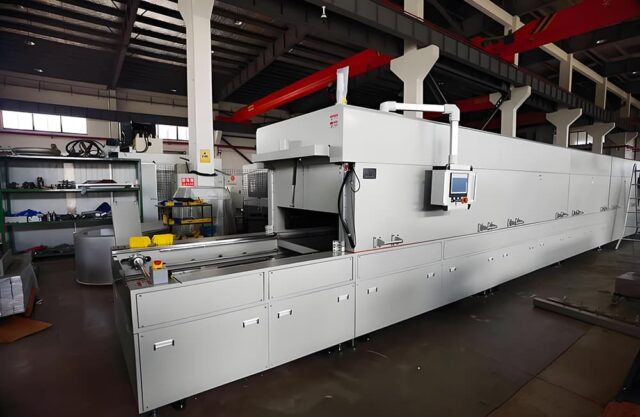
3. Key Component Maintenance: Targeted Protection
Certain components directly affect the oven’s performance, requiring targeted maintenance:
-
Eco-Stone Panels: Avoid heavy impacts on the eco-stone surface. If there are minor scratches, polish them with fine sandpaper and apply a protective coating. For severe damage (e.g., cracks), replace the panels to prevent material contamination or uneven heat transfer.
-
Fan & Ventilation System: Clean the fan blades’ dust monthly to prevent imbalance and noise. Check the fan motor’s lubrication; add lubricating oil if the motor runs with abnormal noise.
-
Electrical Components: Inspect wires, fuses, and contactors quarterly for oxidation or loose connections. Tighten connections and replace damaged parts to prevent short circuits.
4. Fault Prevention & Emergency Handling
Preventive maintenance is more cost-effective than troubleshooting. Here are practical tips:
-
Establish a maintenance log to record daily/regular checks, component replacements, and faults—this helps track the oven’s status and predict issues.
-
Train operators on basic maintenance skills and emergency procedures, such as shutting down the power immediately if the oven overheats or emits smoke.
-
Use genuine spare parts (e.g., eco-stone belts, heating elements) to avoid compatibility issues that damage the equipment.
5. Conclusion
Effective
Maintenance skills for Eco-stone tunnel oven combine daily care, regular deep maintenance, and targeted component protection. By adhering to scientific maintenance procedures, you can extend the oven’s lifespan by 30%+, reduce maintenance costs, and ensure consistent processing quality. For complex faults, consult professional technicians to avoid improper operations that cause further damage. Invest in maintenance today to maximize the oven’s value.