How a Reciprocating Electric Griddle Works | Cooking Mechanism & Benefits
Release Time: 2025-11-02
Share:
If you’ve ever wondered how a reciprocating electric griddle delivers evenly cooked, restaurant-quality meals with minimal effort, you’re in the right place. Unlike traditional flat-top griddles or frying pans, this kitchen appliance uses a unique oscillating (back-and-forth) motion to enhance cooking performance. In this guide, we’ll break down its working principle, key components, and why it’s a game-changer for home cooks. Let’s dive in.
What Is a Reciprocating Electric Griddle?
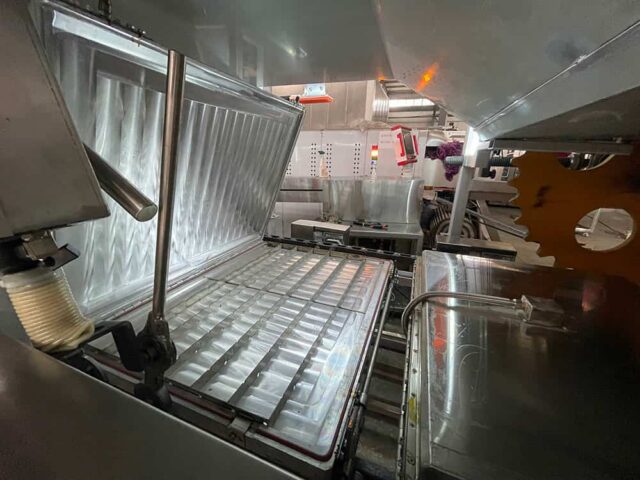
A reciprocating electric griddle is a countertop cooking appliance designed with a movable cooking surfacethat oscillates (moves back and forth) during operation. Unlike static griddles where food sits stationary, the reciprocating action keeps ingredients in gentle motion, preventing sticking, ensuring even heat distribution, and reducing the need for constant flipping. It’s ideal for cooking pancakes, burgers, bacon, or vegetables quickly and evenly.
Key Components: How the Magic Happens
To understand its functionality, let’s explore the core parts that power a reciprocating electric griddle:
1. Heating Element
At the heart of the griddle is a high-power heating element, typically made of durable materials like nichrome (a nickel-chromium alloy) or ceramic. This element generates consistent, adjustable heat—often ranging from 200°F to 450°F (93°C to 232°C)—to cook food thoroughly. Some models use a single large heating plate, while others feature dual zones for different temperatures.
2. Reciprocating (Oscillating) Mechanism
This is what sets it apart from traditional griddles. The cooking surface is attached to a motorized systemthat moves it horizontally in short, rapid strokes (usually 1–2 inches back and forth). Key sub-components include:
• Electric Motor: Powers the motion.
• Cam or Eccentric Shaft: Converts rotary motor movement into linear oscillation.
• Linkage Arms/Slides: Connect the motor to the cooking plate, guiding its smooth back-and-forth motion.
Most units oscillate at 60–120 strokes per minute—fast enough to keep food moving but slow enough to avoid splashing.
3. Cooking Surface
The griddle’s top is coated with a non-stick material(e.g., Teflon, ceramic, or titanium) to prevent food from adhering, even with minimal oil. Some premium models use reinforced coatings for durability. The surface is also angled slightly or grooved in places to channel grease away, reducing flare-ups.
4. Control Panel
Modern reciprocating griddles come with user-friendly controls:
• Temperature Dial/Touchscreen: Adjusts heat settings.
• Timer: For hands-off cooking.
• On/Off Switch: With automatic shut-off for safety.
Step-by-Step: How It Works During Cooking
Now, let’s walk through the process from plugging in to serving:
1. Preheating: When turned on, the heating element rapidly warms the cooking surface to your desired temperature. Many models have indicator lights to signal when ready.
2. Loading Food: Place ingredients (e.g., pancakes, burgers) on the hot griddle. Thanks to the non-stick coating, they won’t immediately stick.
3. Oscillation Begins: As the griddle heats, the motor activates, moving the cooking plate back and forth. This motion:
• Prevents Sticking: Keeps food sliding gently, avoiding prolonged contact with hot spots.
• Ensures Even Cooking: Distributes heat across the entire surface, eliminating cold patches.
• Reduces Flare-Ups: Moves grease away from direct heat, minimizing smoke and burning.
4. Cooking Completion: Once done, turn off the griddle. The residual heat may keep the surface warm, but most models cool down quickly.
• Preheat Fully: Let the griddle reach the target temperature before adding food for best results.
• Use Moderate Oil: While non-stick helps, a light brush of oil enhances flavor and prevents sticking with very moist foods (e.g., hash browns).
• Avoid Overcrowding: Leave space between items so the oscillating motion can move them freely.
Final Thoughts
A reciprocating electric griddle works by combining controlled heat with a gentle oscillating motion, creating a seamless cooking experience. Its innovative design addresses common pain points of traditional griddles—uneven cooking, sticking, and constant attention—making it a must-have for busy kitchens. Whether you’re whipping up breakfast or weekend burgers, understanding how it works helps you unlock its full potential.