If you’re in the commercial baking industry, you’ve likely encountered
natural slate tunnel ovens—renowned for delivering consistent, high-quality results for bread, pastries, and more. But how exactly do these specialized ovens leverage natural slate to transform raw dough into delicious baked goods? Let’s break down their core functionality, key components, and working principles step by step.
Natural slate is the star of these ovens, chosen for two critical properties that elevate baking performance:
- Superior heat retention: Slate absorbs and stores heat evenly, maintaining a stable temperature even when dough enters (preventing sudden heat drops).
- Uniform heat distribution: Unlike metal surfaces that can have hot spots, slate conducts heat gently and consistently across its entire surface.
- The oven’s tunnel structure (a long, enclosed chamber) enables continuous baking—ideal for high-volume production lines, from small bakeries to large food manufacturing plants.
To understand how it works, first familiarize yourself with its essential parts:
- Slate baking surfaces: Thin, durable natural slate slabs line the conveyor belt or baking deck (some ovens use multiple slate layers for enhanced heat storage).
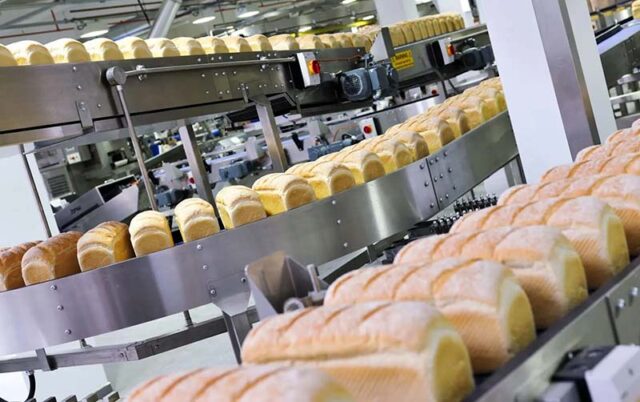
- Conveyor system: A motorized belt (often made of heat-resistant material) moves dough through the tunnel at a controlled speed, ensuring consistent exposure to heat.
- Heating elements: Typically gas-fired, electric, or hybrid—positioned above and below the slate surface to create a balanced “top-and-bottom” baking environment.
- Temperature control module: Digital or analog controls regulate heat (usually 150–300°C/300–570°F) and maintain uniformity throughout the tunnel.
- Ventilation system: Removes excess steam and moisture, preventing sogginess and ensuring proper crust formation.
- Preheating: The oven heats up the slate surfaces and internal chamber to the target temperature (slate retains this heat longer than metal, reducing energy waste).
- Dough Loading: Raw dough (shaped into loaves, croissants, cookies, etc.) is placed on the conveyor belt, which feeds it into the tunnel.
- Slate-Mediated Baking: As the dough moves over the hot slate, the surface transfers gentle, consistent heat to the bottom of the dough—promoting even rising and a crisp, golden crust.
- Dual Heat Exposure: Simultaneously, heating elements above the dough cook the top, while the ventilation system removes steam (critical for bread with a firm crust).
- Controlled Speed: The conveyor’s speed is calibrated to match the baking time (e.g., 10–20 minutes for bread), ensuring each batch is fully cooked without over-browning.
- Cooling Exit: Once the dough exits the tunnel, it’s fully baked—ready for cooling racks, packaging, or immediate distribution.
Compared to standard metal tunnel ovens, natural slate models offer distinct advantages tied to their working mechanism:
- Consistency: Slate’s heat retention eliminates hot spots, so every loaf or pastry bakes uniformly—no undercooked centers or burnt edges.
- Texture Enhancement: The gentle heat from slate creates a crispier crust and softer interior, a hallmark of artisanal-style baked goods.
- Energy Efficiency: Slate requires less frequent reheating, cutting energy costs for high-volume operations.
- Durability: Natural slate resists scratches, corrosion, and high temperatures, extending the oven’s lifespan.
The oven’s working principle makes it ideal for:
- Artisanal and industrial bread (sourdough, baguettes, whole-grain loaves).
- Pastries (croissants, danishes, puff pastry).
- Flatbreads, pizzas, and crackers (needs even heat for thin crusts).
- Snack foods (baked chips, pretzels) requiring consistent crispness.
A
natural slate tunnel oven’s functionality hinges on natural slate’s unique thermal properties and the tunnel’s continuous design. By combining even heat distribution, energy efficiency, and automated production, it solves the core challenge of high-volume baking: delivering consistent quality at scale. Whether you’re a bakery owner or food manufacturer, understanding its working principle helps you optimize settings for your specific products—from adjusting conveyor speed to fine-tuning temperature for perfect results every time.