Description: Discover the most common problems of
rotary ovens, their root causes, and actionable fixes. This guide helps bakery, catering, and food production professionals minimize downtime and optimize performance.
Rotary Ovens are indispensable workhorses in bakeries, commercial kitchens, and food production facilities, prized for their uniform heat distribution and ability to handle large batches of goods—from bread and pastries to roasted meats and vegetables. However, like any heavy-duty equipment, Rotary Ovens are prone to wear and tear, leading to operational issues that can disrupt production schedules and compromise product quality. Understanding these common problems and knowing how to address them promptly is key to maintaining the reliability and efficiency of your Rotary Ovens. This article breaks down the most frequent issues, their underlying causes, and practical solutions to get your equipment back on track.
1. Uneven Temperature Distribution: The Bane of Consistent Results
One of the most frustrating issues with Rotary Ovens is uneven heating, which leads to inconsistent baking or roasting—some items may be overcooked while others remain underdone. This problem not only wastes ingredients but also damages your brand’s reputation for quality.
Root Causes
-
Clogged or malfunctioning circulation fans: Rotary Ovens rely on fans to circulate hot air evenly; dust, food debris, or motor failure can hinder their performance.
-
Blocked air vents: Accumulated crumbs, grease, or improperly placed baking trays can restrict airflow within the oven cavity.
-
Faulty temperature sensors: A damaged thermocouple or thermostat may provide inaccurate readings, causing the oven to heat unevenly.
How to Fix
-
Clean circulation fans and vents: Turn off and unplug the oven, then remove debris from fans using a soft brush or compressed air. Wipe down vents with a damp cloth to ensure unobstructed airflow.
-
Calibrate the thermostat: Use an oven thermometer to test the actual temperature against the set temperature. If there’s a discrepancy, follow the manufacturer’s guidelines to recalibrate the thermostat or replace a faulty sensor.
-
Adjust loading practices: Avoid overcrowding the oven; leave sufficient space between trays to allow hot air to circulate freely. Follow the manufacturer’s recommendations for tray placement.
2. Excessive Noise During Operation: A Sign of Mechanical Wear
While Rotary Ovens produce some noise during operation, loud rattling, grinding, or squealing sounds indicate underlying mechanical issues that require immediate attention. Ignoring these noises can lead to costly breakdowns.
Root Causes
-
Worn or loose bearings: The rotating drum’s bearings can wear out over time, causing friction and noise.
-
Misaligned drum: Improper installation or shifting of the oven’s rotating drum can lead to rattling as it makes contact with other components.
-
Loose fasteners: Vibration during operation can loosen bolts, screws, or brackets holding the oven’s parts together.
How to Fix
-
Inspect and tighten fasteners: Conduct a visual check of all external and internal bolts, and tighten any that are loose using the appropriate tools.
-
Lubricate bearings: If the noise is a squeal, the bearings may be dry. Apply a high-temperature lubricant recommended by the manufacturer. If lubrication doesn’t resolve the issue, replace worn bearings.
-
Check drum alignment: If the drum is misaligned, contact a professional technician to realign it—this requires specialized tools and expertise to avoid damaging the oven.
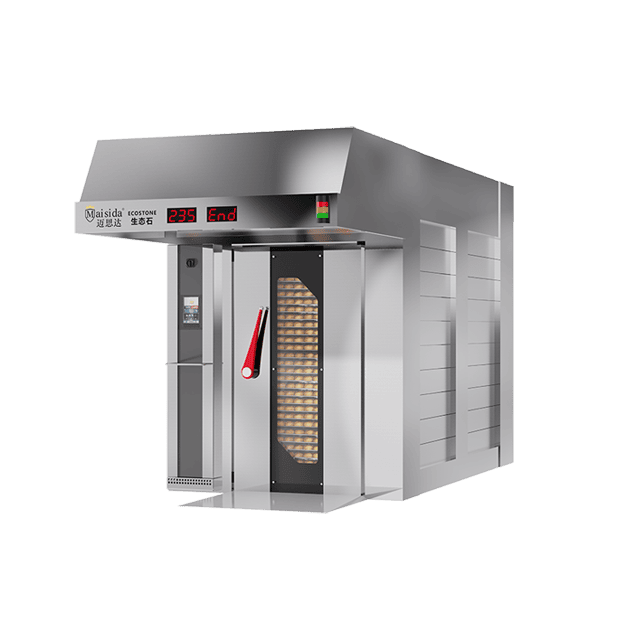
3. Drum Not Rotating: A Critical Operational Failure
If the rotary drum stops turning, the oven is essentially inoperable. This issue halts production entirely, making quick diagnosis and repair a top priority.
Root Causes
-
Motor failure: The drum’s drive motor may burn out due to overheating, electrical issues, or prolonged use.
-
Broken drive belt or chain: The component that transfers power from the motor to the drum can snap or slip, stopping rotation.
-
Electrical problems: Faulty wiring, blown fuses, or a tripped circuit breaker can cut power to the motor.
How to Fix
-
Check electrical connections: Verify that the oven is plugged in and that the circuit breaker hasn’t tripped. Inspect the power cord for damage and replace it if necessary. If fuses are used, replace any blown fuses with the correct rating.
-
Inspect the drive belt/chain: Open the oven’s access panel to check the drive belt or chain. If it’s broken, replace it with a genuine OEM part. If it’s loose, adjust the tension according to the manufacturer’s instructions.
-
Test the motor: Use a multimeter to check if the motor is receiving power. If it is but isn’t running, the motor likely needs to be replaced by a certified technician.
4. Heating Element Failure: No Heat, No Production
A
Rotary Oven that fails to heat up—or only heats to insufficient temperatures—usually points to a problem with the heating elements, which are responsible for generating the oven’s heat.
Root Causes
-
Burnt-out heating elements: Over time, heating coils or rods can degrade and burn out, especially if the oven is used frequently at high temperatures.
-
Faulty electrical connections: Loose or corroded wires leading to the heating elements can disrupt power flow.
-
Defective control board: The oven’s control board regulates power to the heating elements; a malfunction here can prevent them from activating.
How to Fix
-
Inspect heating elements: Turn off the oven and let it cool, then visually check the elements for signs of burning, cracking, or discoloration. If damaged, replace them with parts matching the oven’s model.
-
Check electrical connections: Remove the access panel and examine the wires connected to the heating elements. Tighten loose connections and clean corroded terminals with a wire brush.
-
Test the control board: If the elements and connections are in good condition, the control board may be faulty. Consult a professional to test and replace the board if needed.
5. Door Seal Leaks: Wasted Energy and Compromised Heat
A damaged or worn door seal allows hot air to escape from the Rotary Oven, leading to increased energy consumption, longer cooking times, and uneven temperatures. You may notice condensation around the door or a drop in heating efficiency.
Root Causes
-
Deteriorated gasket: The rubber or silicone gasket around the door can dry out, crack, or tear with age and frequent use.
-
Misaligned door: A door that’s out of alignment may not press the gasket tightly against the oven frame, creating gaps.
-
Food residue buildup: Grease and crumbs trapped in the gasket can prevent a tight seal.
How to Fix
-
Clean the gasket: Wipe the seal with a mixture of warm water and mild detergent to remove food residue. Use a toothbrush to clean hard-to-reach areas.
-
Inspect and replace the gasket: If the gasket is cracked, torn, or no longer flexible, replace it. Measure the old gasket to ensure you purchase the correct size, and follow the manufacturer’s instructions for installation.
-
Adjust the door: If the door is misaligned, loosen the hinge bolts slightly, reposition the door to create a tight seal, and retighten the bolts. For more complex alignment issues, seek professional help.
Preventive Maintenance: The Key to Reducing Rotary Oven Problems
While knowing how to fix common issues is essential, preventive maintenance is the best way to keep your Rotary Ovens running smoothly. Establish a regular maintenance schedule that includes:
-
Daily cleaning of the oven cavity, vents, and door seal to remove food debris.
-
Weekly inspection of circulation fans, drive belts, and electrical connections.
-
Monthly lubrication of moving parts (bearings, hinges) with manufacturer-recommended lubricants.
-
Quarterly calibration of thermostats and temperature sensors.
-
Annual professional servicing to address hidden issues and ensure compliance with safety standards.
Conclusion: Keep Your Rotary Ovens Reliable with Proactive Care
Rotary Ovens are vital investments for food-related businesses, and their performance directly impacts productivity and product quality. By familiarizing yourself with common problems—such as uneven heating, excessive noise, drum failure, heating element issues, and door seal leaks—and implementing the step-by-step fixes outlined above, you can minimize downtime and avoid costly repairs. Pairing these solutions with a consistent preventive maintenance routine will ensure your Rotary Ovens operate efficiently for years to come, supporting the success of your business.