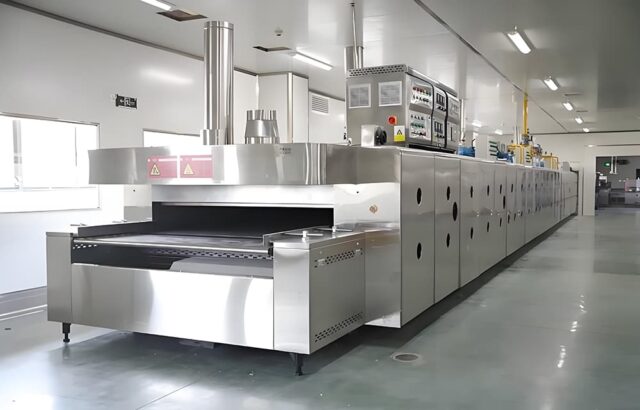
In the competitive landscape of commercial food production, the right baking equipment can make a significant difference in product quality, efficiency, and profitability. Among the various options available, the
Commercial natural slate tunnel oven stands out for its unique heating properties, durability, and ability to deliver consistent results across a wide range of food items. Whether you run a bakery, a pizza parlor, a snack manufacturing plant, or a catering business, understanding the price factors and key specifications of this oven is crucial for making an informed investment decision. This guide dives deep into everything you need to know about
Commercial natural slate tunnel oven pricing and specs to help you align your equipment choice with your business needs.
Key Specifications of Commercial Natural Slate Tunnel Oven: What to Look For
The specifications of a Commercial natural slate tunnel oven directly determine its performance, compatibility with your production line, and the types of food it can handle. When evaluating different models, pay close attention to the following core features:
1. Slate Surface Characteristics
Natural slate is the defining feature of this oven, as it offers excellent heat retention and even heat distribution—two critical factors for consistent baking. Look for ovens with high-quality, food-grade natural slate that is resistant to cracking, staining, and thermal shock. The thickness of the slate typically ranges from 10mm to 20mm; thicker slate provides better heat stability, making it ideal for high-volume production or foods that require precise temperature control (e.g., artisanal bread, thin-crust pizza). Some models also feature polished slate surfaces, which reduce food sticking and simplify cleaning.
2. Heating System and Temperature Range
Most Commercial natural slate tunnel ovens use either electric or gas heating systems, each with its own advantages. Electric models offer precise temperature control (often within ±5°C) and are easier to install in locations without gas lines, while gas models are generally more energy-efficient for large-scale operations and provide faster heat-up times. The temperature range is another key spec: standard models typically operate between 50°C and 300°C, but specialized versions (for items like pastries or industrial snacks) may reach up to 400°C. Ensure the oven’s temperature range matches your specific baking requirements—for example, pizza requires higher temperatures (250–300°C) than cookies or muffins (160–200°C).
3. Tunnel Dimensions and Conveyor System
The tunnel’s length, width, and height dictate the oven’s production capacity and the size of food items it can process. Common tunnel lengths range from 2 meters (for small bakeries) to 10 meters or more (for industrial facilities), while widths typically vary between 300mm and 1200mm. The conveyor system, which moves food through the tunnel, is usually made of stainless steel or heat-resistant mesh. Look for adjustable conveyor speeds (0.5–5 meters per minute) to accommodate different baking times—slower speeds for dense foods (e.g., sourdough) and faster speeds for thin, quick-cooking items (e.g., flatbreads). Some advanced models also offer variable speed controls via a digital interface for easy operation.
4. Capacity and Production Rate
Capacity is measured in terms of the amount of food the oven can process per hour, and it depends on tunnel dimensions, conveyor speed, and temperature. A small Commercial natural slate tunnel oven (2–3 meters long) can produce 50–100 kg of baked goods per hour, while a large industrial model (8–10 meters long) can handle 500 kg or more. When assessing capacity, consider your current production needs and future growth—opting for a slightly larger oven than your immediate requirements can save you from costly upgrades later.
5. Energy Efficiency and Safety Features
Energy efficiency is a major consideration for commercial kitchens, as it directly impacts operating costs. Look for ovens with insulation made of high-density rock wool or ceramic fiber, which minimizes heat loss and reduces energy consumption. Many modern models also feature energy-saving modes (e.g., standby settings) and heat recovery systems. Safety features are non-negotiable: ensure the oven has heat-resistant doors, emergency stop buttons, overheat protection, and a smoke extraction system to maintain a safe working environment.
Factors Influencing the Price of Commercial Natural Slate Tunnel Oven
The price of a Commercial natural slate tunnel oven varies widely based on specifications, brand, and additional features. Understanding these factors can help you budget effectively and avoid overpaying for unnecessary functions. Here are the primary elements that affect cost:
1. Size and Capacity
Size is the most significant price driver. A compact, tabletop Commercial natural slate tunnel oven (for small cafes or bakeries) typically costs between $3,000 and $8,000. Medium-sized models (3–5 meters long) range from $10,000 to $25,000, while large industrial ovens (6 meters or longer) can cost $30,000 to $100,000 or more. Higher capacity ovens require more materials, larger heating systems, and robust conveyor mechanisms, which all contribute to the increased cost.
2. Heating Type and Technology
Gas-powered
Commercial natural slate tunnel ovens are generally more expensive upfront than electric models (by 10–20%), but they offer lower long-term operating costs. Ovens with advanced heating technologies—such as infrared heating elements (for faster, more uniform heat) or digital temperature controls—also command a premium. For example, a gas oven with infrared heating may cost $5,000–$10,000 more than a standard gas model of the same size.
3. Slate Quality and Customization
Ovens with high-grade natural slate (e.g., premium Welsh slate or Italian slate) are more expensive than those using lower-quality slate or synthetic alternatives. Customization options—such as a custom-sized slate surface, specialized conveyor materials, or brand-specific modifications—can add 15–30% to the base price. If your business has unique needs (e.g., baking extra-large pizzas or gluten-free products), be prepared to invest in these customizations.
4. Brand and After-Sales Support
Established brands with a reputation for durability and reliability (e.g., Italian or German manufacturers) often charge more than lesser-known brands. However, the higher price often includes better after-sales support—such as a 2–5 year warranty, on-site maintenance, and readily available replacement parts. Cheaper, generic models may save you money upfront, but they often lack reliable support, leading to higher repair costs and downtime in the long run.
5. Additional Features
Extra features can significantly increase the price of a Commercial natural slate tunnel oven. Examples include: digital touchscreen interfaces (for easy programming), automatic cleaning systems, humidity control (critical for bread baking), and integration with production line software (for industrial facilities). Each of these features can add $1,000–$5,000 to the total cost, so prioritize those that directly benefit your operations.
Why Invest in a Commercial Natural Slate Tunnel Oven?
While the initial investment in a Commercial natural slate tunnel oven may seem substantial, its unique benefits make it a worthwhile choice for many food businesses. Natural slate’s ability to retain and distribute heat evenly ensures that every batch of food is baked consistently, reducing waste and improving customer satisfaction. The slate surface is also highly durable—with proper care, it can last for 10–15 years, making the oven a long-term asset. Additionally, the tunnel design allows for continuous production, which boosts efficiency and throughput compared to batch ovens. For businesses that prioritize quality and scalability, a Commercial natural slate tunnel oven is an investment that pays off in the form of better products and higher profits.
How to Choose the Right Commercial Natural Slate Tunnel Oven for Your Business
To select the best Commercial natural slate tunnel oven for your needs, follow these steps: 1) Assess your production volume and food type (e.g., pizza vs. bread) to determine the required capacity and temperature range. 2) Set a budget that accounts for both upfront costs and long-term operating expenses (energy, maintenance). 3) Compare specs from multiple brands, focusing on slate quality, heating system, and safety features. 4) Ask for references or case studies from businesses similar to yours to verify performance. 5) Ensure the manufacturer offers comprehensive after-sales support. By taking these steps, you can choose an oven that aligns with your business goals and delivers consistent value.
Final Thoughts
A
Commercial natural slate tunnel oven is a versatile and durable piece of equipment that can elevate your commercial baking operations. Its price is influenced by size, capacity, heating technology, and brand, while its key specifications—slate quality, temperature range, and conveyor system—determine its performance. By understanding these factors and aligning them with your business needs, you can make an informed investment that enhances product quality, boosts efficiency, and drives profitability. Whether you’re a small bakery or a large food manufacturer, the right
Commercial natural slate tunnel oven is an asset that will serve your business for years to come.