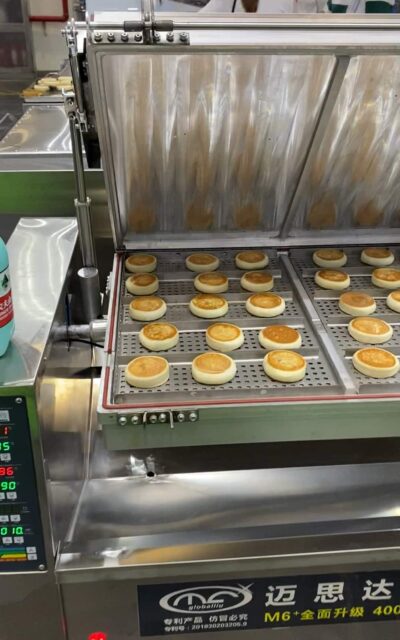
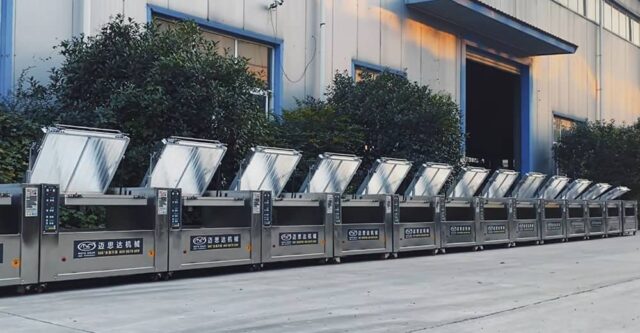
If you’re a restaurant owner, commercial kitchen manager, or bulk buyer searching for
automatic flipping electric griddles, buying direct from manufacturers isn’t just a cost-saving choice—it’s a strategic one. Cutting out middlemen lets you unlock customization, faster support, and transparent pricing, all while ensuring you get a griddle built for your specific needs. In this guide, we’ll break down why direct manufacturer purchases work, how to choose the right supplier, and what to prioritize for your business.
Middlemen (distributors, retailers) add markup and limit control—but direct purchases eliminate these pain points. Here’s what makes it worth it:
Manufacturers price their automatic flipping electric griddles at factory rates, skipping the 15–30% markup distributors often charge. For example, a commercial-grade automatic flipping griddle that costs $1,200 from a retailer might sell for $850–$950 directly from the manufacturer—critical for businesses buying in bulk (e.g., chain restaurants, catering companies).
Every kitchen has unique needs: some require larger cooking surfaces for burgers, others need temperature-specific settings for breakfast foods like pancakes. Direct manufacturers let you tweak details like:
- Cooking surface size (20”x10” to 30”x15” for high-volume use)
- Automatic flipping speed (adjustable for thin vs. thick foods)
- Nonstick coating type (PFOA-free, titanium-reinforced for durability)
- Power output (1500W to 3000W for fast heating)
If your automatic flipping mechanism malfunctions or you need replacement parts, direct manufacturers offer faster troubleshooting—no waiting for a distributor to relay your request. Most reputable suppliers include a 1–3 year warranty (like the 3-year coverage for premium models) and stock replacement parts (e.g., flipping motors, drip trays) for quick shipping.
Not all manufacturers are equal—prioritize these traits to avoid low-quality products:
The “automatic flipping” function is non-negotiable. Ask manufacturers:
- Does the flipping mechanism use durable motors (e.g., stainless steel gears) to avoid jamming?
- Can it handle heavy foods (e.g., 1lb steaks) without slipping?
- Is the flipping angle adjustable (30–90 degrees) for different ingredients?
Avoid suppliers that can’t share test videos or customer feedback on their flipping systems—this is a red flag for poor performance.
Commercial griddles see daily use, so quality matters:
- Cooking Surface: Look for PFOA-free, nonstick coatings (like Quantanium or ceramic) that resist scratches (safe for metal utensils, per top models).
- Housing: Brushed stainless steel is ideal—it’s rust-resistant and easy to wipe clean.
- Safety Features: Cool-touch handles, auto-shutoff, and removable drip trays (for healthier cooking and easy cleanup) are must-haves.
If you operate internationally, ensure the griddle meets regional safety standards:
- US/Canada: UL or CSA certification.
- EU: CE marking.
- Middle East: SASO certification (critical for buyers in markets like Saudi Arabia, UAE).
Reputable manufacturers will display these certifications prominently on their websites or product sheets.
Follow these steps to connect with reliable suppliers:
- Ask for proof of production capacity (e.g., monthly output of 500+ units) to ensure they can fulfill bulk orders.
- Request a factory tour (virtual or in-person) to verify they use modern equipment (e.g., automated coating lines for consistent nonstick application).
Before placing a large order, order 1–2 sample griddles to test:
- Run the automatic flipping function 50+ times with different foods (pancakes, burgers) to check consistency.
- Test heat distribution—does the griddle maintain even temperatures (350°F–500°F) across the surface?
- Evaluate cleanup: Are the nonstick surface and drip tray easy to wash (dishwasher-safe parts are a plus)?
Look for manufacturers with positive feedback from businesses like yours. For example:
- A chain of diners might praise a supplier for “flipping griddles that cut breakfast prep time by 40%.”
- A catering company could highlight “fast replacement of a broken flipping motor in 3 days.”
Avoid suppliers with no customer references—transparency builds trust.
- Cost Savings: They reduced per-unit costs by 22% (from $1,100 to $858 per griddle).
- Customization: The manufacturer added a slower flipping speed for thick burgers, reducing overcooking.
- Support: When 2 griddles’ motors failed during a busy weekend, the manufacturer shipped replacements within 48 hours—no lost sales.
Buying automatic flipping electric griddles direct from manufacturers lets you save money, get a tailored product, and avoid the hassle of middlemen. For the best results:
- Prioritize suppliers with durable flipping mechanisms and food-safe materials.
- Test samples to confirm performance.
- Verify certifications and customer reviews.
Whether you’re outfitting a new kitchen or replacing old equipment, direct purchases turn a simple “buy” into a long-term partnership. Ready to find your supplier? Reach out to manufacturers with clear pricing, customization options, and responsive support—your kitchen (and budget) will thank you.